🏅 HC Cuba – Grower Level Badge
🏅 HC Cuba – Grower Level Badge
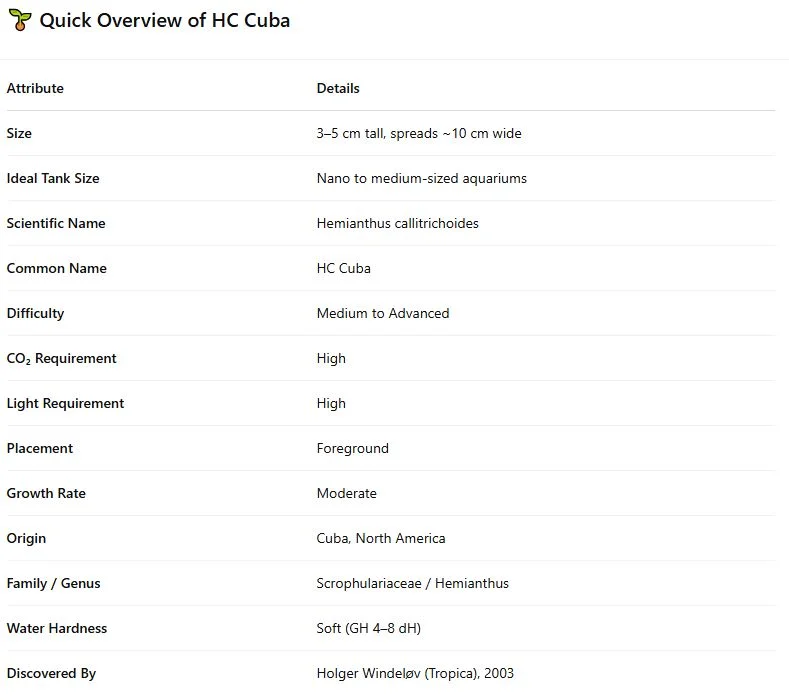
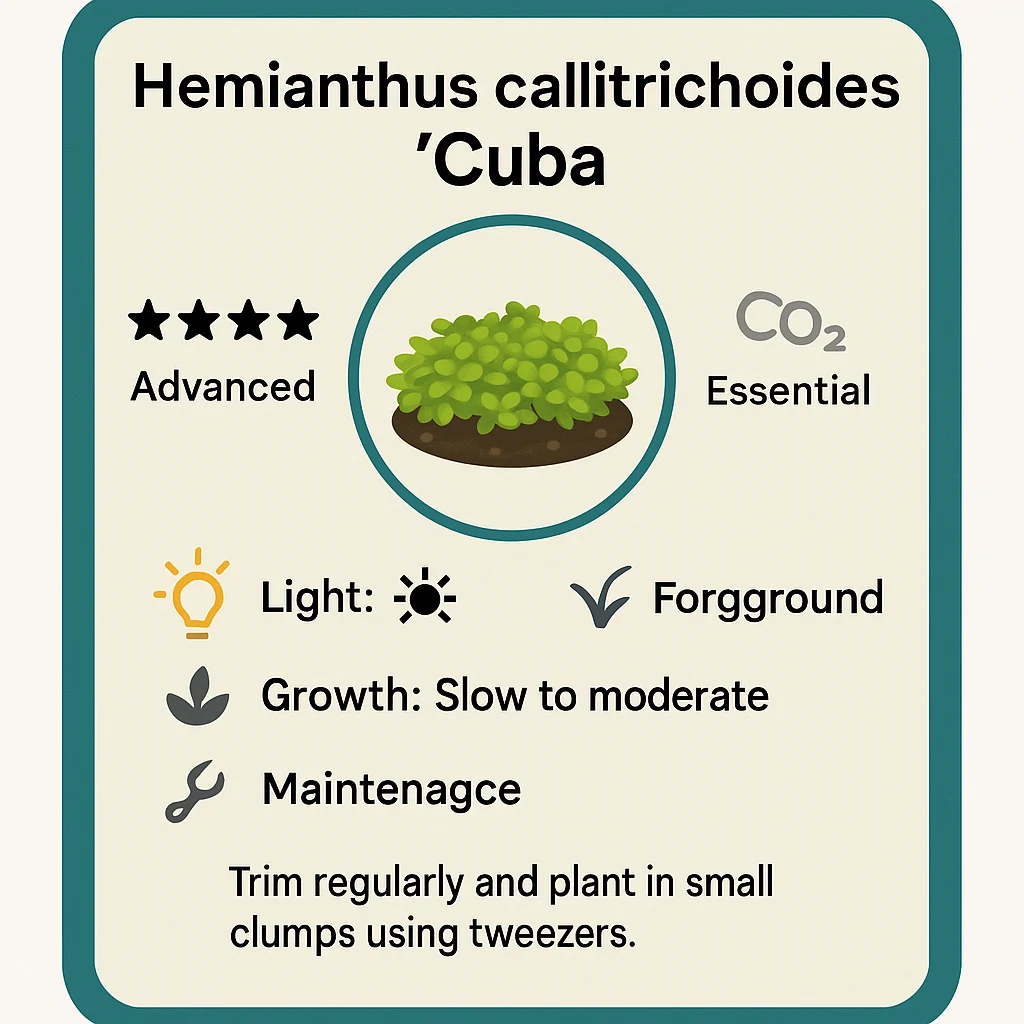
🌱 Plant Name: Hemianthus Callitrichoides ‘Cuba’
🎯 Difficulty Level: ★★★★☆ (Advanced)
🧪 CO₂ Requirement: 🌬️ Essential
💡 Light Requirement: 💡💡💡💡 (High)
🌍 Placement: Foreground / Carpeting
⏱️ Growth Speed: ⏳ Slow to Moderate
🛠️ Maintenance: ✂️ Frequent trimming needed
🧠 Pro Tip: Plant in small clumps with tweezers, 2–3 cm apart. Trim regularly to encourage horizontal spreading. Excellent for high-tech, CO₂-enriched aquascapes.
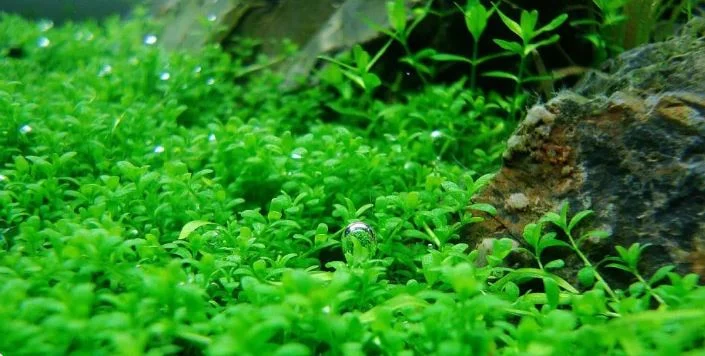
Dwarf Baby Tears-Hemianthus Callitrichoides ‘Cuba’ (HC Cuba)
Here’s a refined and professional rephrasing of your detailed write-up on Hemianthus callitrichoides ‘Cuba’ (HC Cuba) for clarity, flow, and structure, while keeping all key details:
🌿 Hemianthus Callitrichoides ‘Cuba’ (HC Cuba) – The Aquascaper’s Foreground Challenge
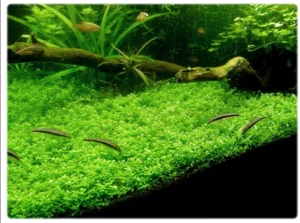
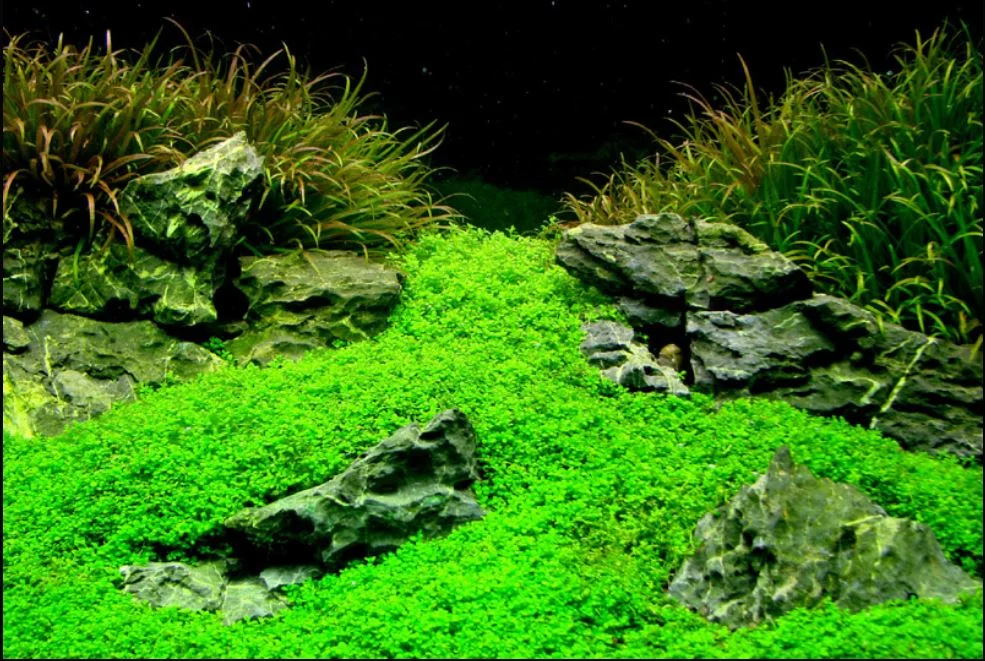
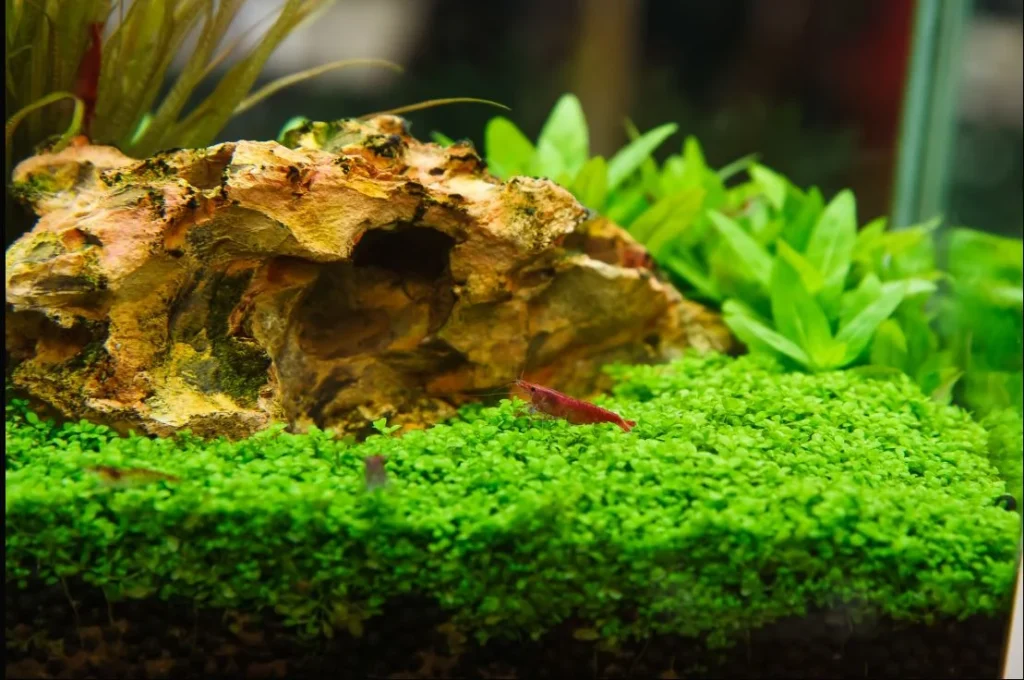
Hemianthus callitrichoides, commonly known as HC Cuba, is one of the most sought-after and visually striking aquarium plants. Loved for its ability to create a lush green carpet effect, it’s frequently used as a foreground feature to contrast with more prominent focal plants in aquascapes.
Despite its popularity, HC Cuba is also known for being quite demanding. Many aquascapers find it challenging to grow successfully due to its specific environmental needs.
This guide will walk you through everything you need to know—from ideal setups and planting techniques to maintenance and troubleshooting—so you can grow a thriving carpet of HC Cuba in your aquascape.
🐠 Ideal Use in Aquascapes
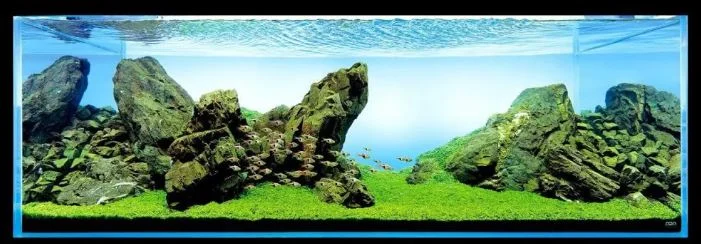
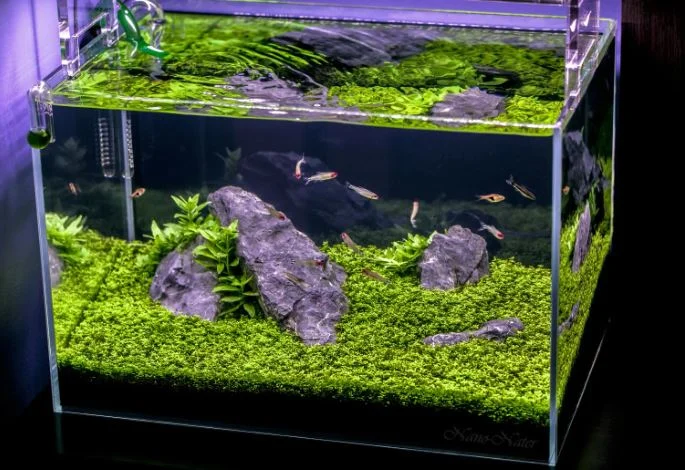
Due to its small stature and dense growth, HC Cuba is perfect for nano aquariums and layouts where scale and fine detail matter. It’s particularly effective in tanks with small fish or shrimp and pairs beautifully with minimalistic or Iwagumi-style hardscapes.
As it photosynthesizes, HC Cuba produces visible pearling—tiny oxygen bubbles on the leaves—that enhances its aesthetic appeal.
🌿 Growing HC Cuba: Lighting, CO₂, and Care
HC Cuba is often labeled a “challenging” plant due to its demanding care requirements. To grow it successfully:
Lighting: Use high-intensity lighting such as T5s with reflectors or equivalent LEDs.
CO₂: Supplement generously. This is non-negotiable for dense, healthy growth.
Fertilizers: Rich substrate and water column fertilizers are essential, especially those high in nitrogen.
Water Conditions: Soft water helps this plant thrive.
Consistency in these areas will reward you with a vibrant green carpet over time.
🪴 How to Plant HC Cuba
Option 1: Easy Pot Method
Remove HC Cuba from its pot and Rockwool.
Divide into 1cm square patches.
Plant directly into the substrate, spacing evenly.
Water slowly to prevent the plant from floating.
Option 2: Tweezers Method
Manually plant individual stems with tweezers.
Leave small gaps between each for spreading.
Best for those looking to save on cost.
Substrate Recommendation: Use a fine-grained substrate like Aqua Soil Powder, which supports root anchoring and enhances aesthetic contrast in the foreground.
✂️ Maintaining HC Cuba
Trimming: Use curved or wave scissors for routine pruning.
Frequency: Regular trims encourage density and prevent overgrowth.
Goal: A compact, bright carpet that doesn’t overshadow other plants.
💡 Design Inspiration: Beyond Carpets
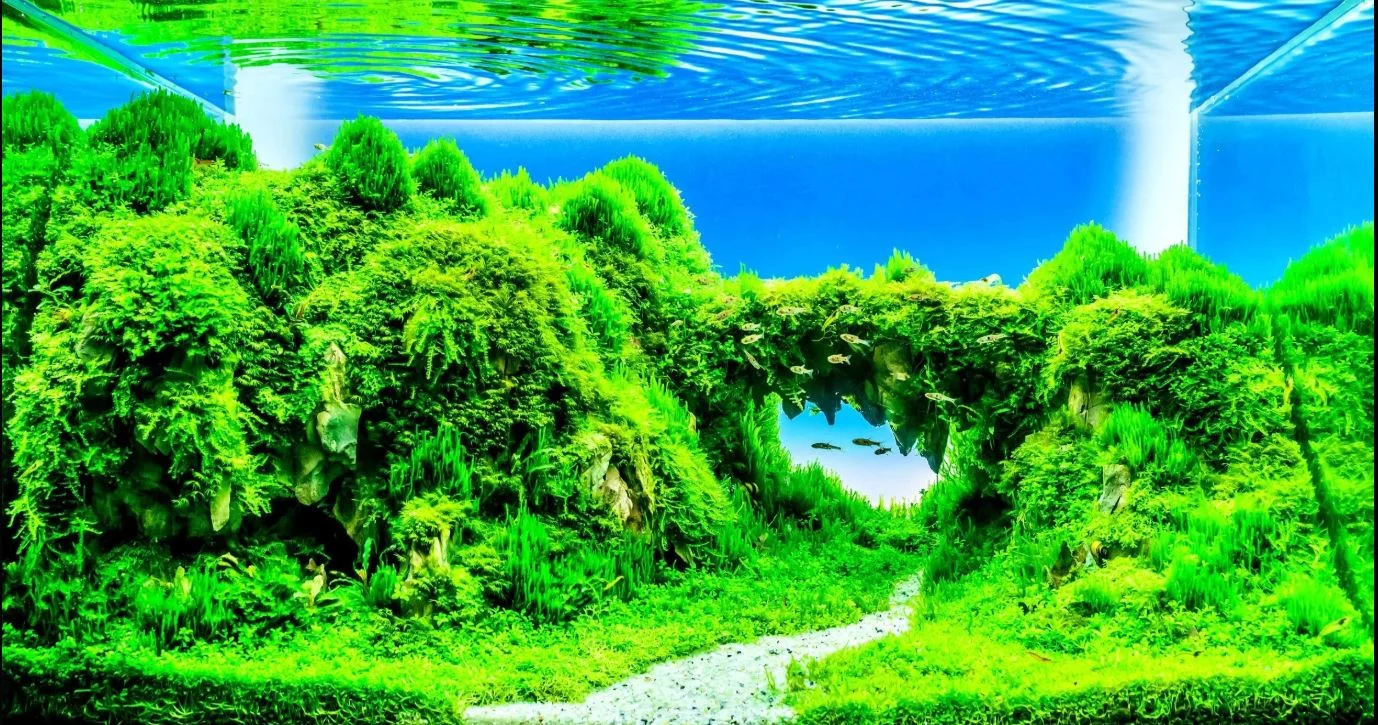
While HC Cuba is typically used as a carpeting plant, it’s also incredibly versatile. In James Findley’s Nature’s Chaos aquascape, HC Cuba was planted on driftwood to mimic hanging vines—a unique twist that showcased its adaptability.
“‘Cuba’ is a high light plant, and the top of this aquarium is the ideal location for it; close to the 600 watts of light that is responsible for its dense growth.” – James Findley
✅ Final Thoughts
Despite its reputation as the “Aquascaper’s Challenge,” Hemianthus callitrichoides ‘Cuba’ remains one of the most rewarding plants in aquascaping. With the right setup and consistent care, this miniature marvel can transform your tank into a lush underwater landscape.
We’d love to see how you’ve used HC Cuba in your own tank! Whether it’s thriving or you’re facing challenges, feel free to share your aquascaping journey with us.